



What Readings Tell You It’s Time for Air Compressor Maintenance?
February 18, 2026
Air Compressor Measurement by Industry: Why Different Applications Need Different Metrics
March 4, 2026What Stats Should You Be Monitoring to Ensure Air Compressor Longevity?
By John Wilkerson, Technical Training Manager | February 25, 2026 | Uncategorized
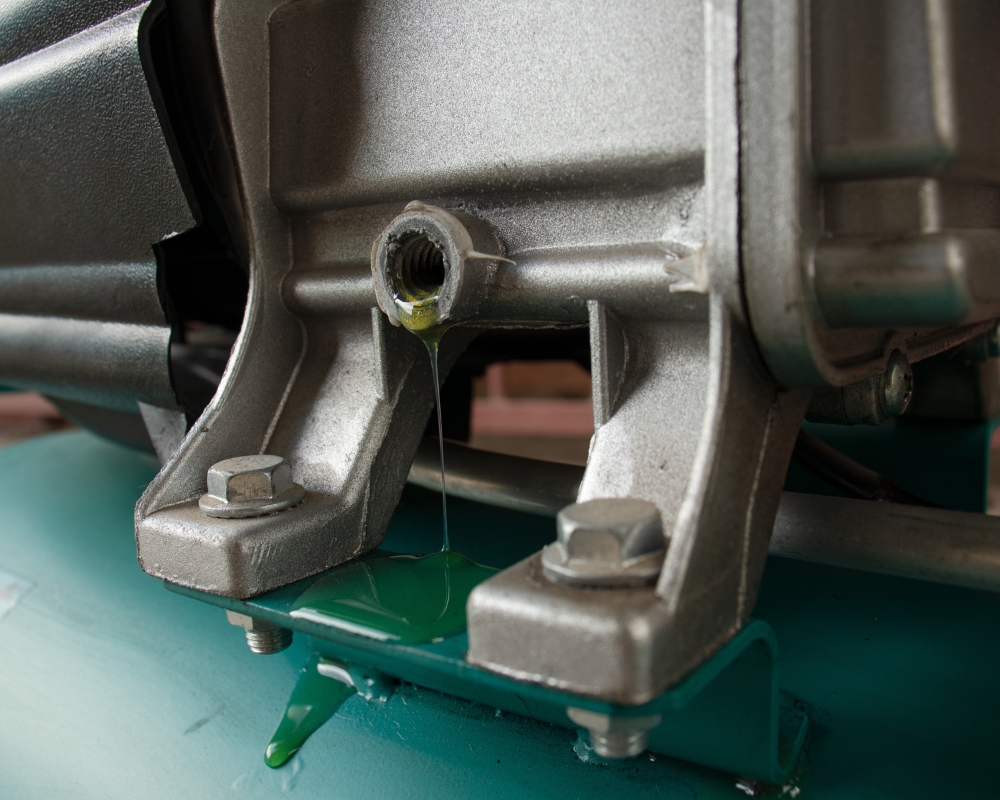
Routine maintenance, such as oil changes and filter replacements, is critical to extending air compressor lifespan.
Purchasing and operating an air compressor is a major investment for any company. One that you will want to preserve and protect to get the most useful life from your compressor.
Your compressor, after all, has important tasks to complete, serving as your company’s fourth utility, joining water, electricity and natural gas in meeting basic needs.
Compressed air fulfills a wide range of functions in a typical facility, providing power where it’s not safe to introduce electricity, for example. Serving as a delivery medium for paint and coating processes. Or energizing the sensitive pneumatics that pick and place electronic components.
Ideally, your compressor investment will continue to deliver benefits for a decade or more. In fact, multiple decades for both centrifugal air compressors and rotary screw compressors.
To get the maximum useful life from your compressors, you’ll want to pay attention to several key issues, including the air itself, the oil in your compressor and any noises or vibrations you’re experiencing.
We’ll start with the air.
Key Issues in Air Compressor Reliability
| Category | Metric / Issue | Key Idea |
|---|---|---|
| 1. Air | Impact of air incoming air on reliability | Incoming air quality, pressure and temperature all determine how hard your compressor had to work and how many years of service it can provide. |
| Intake | Incoming air can contain contaminants that will make your compressor work harder. | |
| Treatment | Dirty filters can make your compressor less efficient and shorten its life. | |
| Temperature | Regularly monitoring temperature can help you catch problems before they escalate. | |
| Operating pressure | Setting pressure too high wastes energy and shortens the life of your compressor. | |
| Ventilation | Adequate ventilation helps prevent overheating and the damage it causes to your compressor. | |
| 2. Oil | Importance of oil | Oil is so critical, we say it is the lifeblood of your compressor. |
| The right oil | Our KTL-8000 oil has been specially formulated for our compressors. | |
| Food-grade oil | Use where there is no direct contact with food. But make sure to change oil more frequently (every 4,000 hours). | |
| Compresores con inyección libre de aceite | There is oil in an oil-free compressor, but it does not enter the compression chamber as it does in an oil-lubricated model. | |
| Oil level | Check the oil level before starting your compressor. | |
| Oil changes | Change filters every 2,000 hours, change oil every 8,000 (4,000 for food-grade lubricants). | |
| Air-oil separator | Check the pressure differential and change if it’s over 10 PSIG. | |
| Oil sampling | Oil sampling extends the life of the compressor, verifying that the oil will last as long as expected. | |
| 3. Vibration | Importance of vibration | Excessive vibration could be a reaction to changes in ambient temperature or humidity, or it could be a sign of something more serious. |
Issue No. 1: The Air Itself
Not surprisingly, you’ll want to pay a lot of attention to your compressor’s air throughout the process:
- Intake: The ambient air you draw can contain dust, dirt, moisture, diesel fumes and organic matter, all of which make your compressor work harder. Not to mention heat, which is notorious for shortening the life of the oil and the compressor.
- Treatment: Air compressor air filters remove particulates from the air flow. However, they can become clogged, especially in dirty environments, such as foundries and cement plants. Dirty filters increase the pressure drop, making your compressor less efficient and shortening its life. You’ll want to monitor the pressure drop across critical filters, especially the intake air filter.
- Temperature: Regularly monitoring temperature can help you catch problems before they escalate, ensuring your system stays reliable and efficient. Temperatures above 180°F can lead to reduced efficiency, increased wear and tear and ultimately, premature failure. If they’re below 150°F, water can form, breaking down the oil in your compressor and leading to increased friction and potential damage.
- Operating pressure: Naturally, if the pressure’s too low, your end users will not have enough juice to power their tools. So, the temptation is often to go to the opposite extreme and jack up system pressure. However, setting your header pressure too high is very wasteful and causes excessive wear, shortening your compressor’s life.
- Ventilation: Air compressors generate significant amounts of heat, so ventilation is critical to the operation and longevity of your compressor. Adequate ventilation helps prevent overheating and the damage it causes to your compressor. The goal is to ensure all that heat generated during compression is removed and does not recirculate back into the room.
And while air is in fact the deliverable, oil plays a critical role in air compressor lifespan.
Issue No. 2: Oil
Oil is so critical to your compressor's life that we call it the lifeblood of your system. The critical points:
- Using the right oil. Kaishan worked with an expert global developer of industrial lubricants to formulate the rotary compressor oil we install in our compressors. Our KTL-8000 rotary compressor oil has been specially formulated for Kaishan’s rotary screw air compressors, enabling it to last twice as long as mineral oil-based products. Special additives help remove debris and keep acid from building up in the oil.
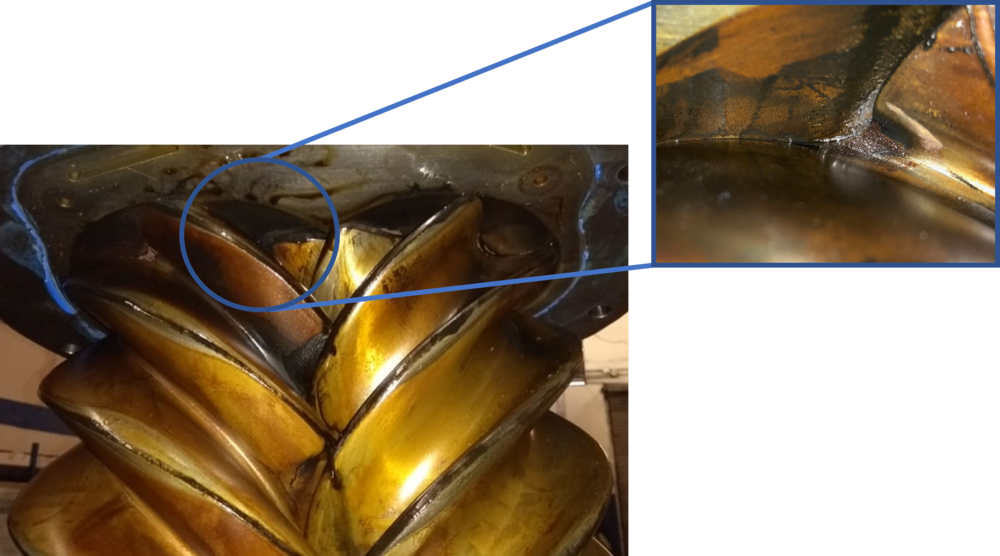
When the acid concentration becomes too high, varnish can precipitate out of the oil and deposit on rotors, reducing efficiency.
- Food-grade oil. For functions where there is no direct contact with food or beverage products, you can eliminate most oil-contamination concerns by using food-grade lubricants as defined by the U.S. Department of Agriculture. Food-grade lubricants use a base stock similar to standard air compressor oils, but do not include the air compressor lifespan-extending antioxidants and additives traditional lubricants contain. Without those additives, food-grade lubricants can't withstand heat as effectively, aging faster and breaking down sooner. We always recommend shorter intervals for oil changes (every 4,000 hours, vs. 8,000 for our traditional lubricants) to protect the compressor.
- Oil-free compressors. There is oil in an oil-free compressor. Both centrifugal and oil-free rotary screw air compressors may not rely as much on oil as an oil-lubricated screw compressor does, but they do have oil. They use it to lubricate the high-speed rotating gears and to lower the operating temperatures in the stage cooling jackets (keeping casting temperatures lower). However, oil does not enter the compression chamber as it does in an oil-lubricated rotary screw machine. And while they do not require oil changes as frequently as oil-lubricated units, the oil still must be changed occasionally. Make sure to follow your manufacturer’s recommendations.
- Oil level. Because oil is so critical to air compressor lifespan and operation, check the oil level using the sight glass before starting it. Add oil if the level has dropped, and change it if it appears dark or contains obvious impurities.
- Oil changes. Changing oil filters every 2,000 hours helps remove contaminants from the oil. Change the oil yearly (8,000 hours) or every 4,000 hours for food-grade lubricants.
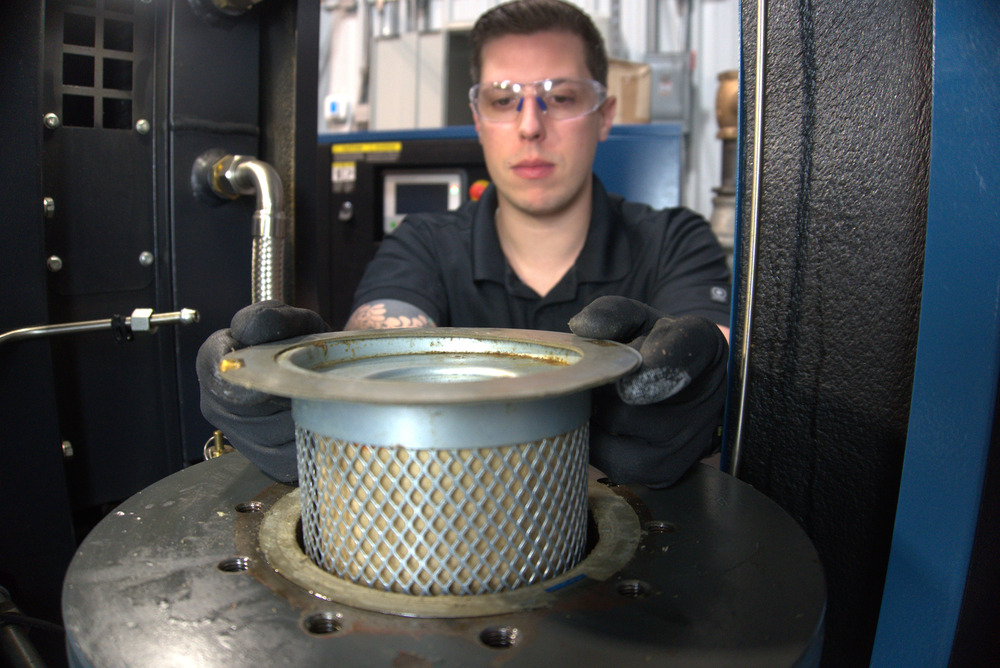
Air-oil separators are carefully engineered to remove oil mist from the air that leaves an oil-flooded rotary screw air compressor.
- Air-oil separator. Change the air-oil separator and lubricant every 4,000 hours if it’s a spin-on type and annually or every 8,000 hours if it’s a standard, drop-in type. Check the pressure differential and replace it if the pressure drop across the separator exceeds 10 PSIG. Original equipment manufacturers like Kaishan match the air-oil separator elements with the specific gravity and velocity of the lubricants to optimize oil capture. As a result, using knock-off separators or cheap oil throws that carefully engineered system out of whack, resulting in oil carryover and loss of quality. As we note in our blog post, “How to Maintain Your Air Compressor with Genuine Spare Parts,” inappropriate replacement of an air-oil separator can result in fires, explosions and even injuries to workers.
- Oil sampling. Oil sampling extends the life of the lubricant and your equipment. And verifies that your air compressor oil will last as long as expected. Regular oil sampling will also tell you whether your compressor is exposed to excessive heat or taking in contaminants and whether it is showing excessive bearing wear.

We consider oil sampling the most critical maintenance procedure for our compressors.
For more on the importance of monitoring your compressor’s oil in extending compressor life, read “How to Extend the Lifespan of Your Rotary Screw Compressor with Proper Lubrication.”
Measurement No. 3: Vibration
Vibration can be a key indicator of your compressor’s overall health and performance in your facility, especially in centrifugal compressors. And while the vibration could result from changes in ambient temperature or humidity, it could also be an early indication of more serious issues, such as bearing failure or alignment issues.
So, it’s wise to take vibration seriously. While it is less of an issue with a rotary screw compressor, excessive vibration should never be ignored. For more details, read our blog post, “Diagnosing Air Compressor Vibration Issues: Tips for Technicians.”
In addition to the many maintenance steps mentioned previously, we also recommend monitoring equipment.
Monitoring for Air Compressor Longevity
If you want to keep an eye on key parameters and receive notifications via text, you can monitor your compressor remotely through the Internet of Things. We offer options like AirWatch, which digitally creates an online twin, using Modbus protocol to display pressure, temperature, faults, status and other key indicators.
AirWatch uses a wireless-based cellular modem to enable real-time remote monitoring of your air compressor data. The wireless approach is a game-changer in that it avoids the nightmare of going through your IT department, enterprise software system and factory automation infrastructure.
Instead, you put an antenna on each compressor and link it to its own data hub, which accesses the internet through a cellular connection that only has to be within 330 feet of the unit. That allows you to circumvent the noise and interference often found on the factory floor.
With AirWatch’s cloud-based compressor monitoring software, you’ll access your unit in real time from a laptop, cell phone, tablet or desktop computer. You can:
- Set alarms
- See what maintenance is scheduled
- See current energy use
- Check readings for dew point, dryers, flow or pressure
- Change the time interval from day to week, to month to year
- Review trends
Plus, you can share access to that information with a distributor, consultant or even someone from our technical support organization. It’s almost like having a continuous audit. For more on remote monitoring, see our blog post, “Air Compressor Monitoring Tools for a Smart Factory.”
Help in Extending Air Compressor Lifespan Is Close at Hand
Your local distributor or compressed air consultant is the best place to start to ensure you are following best practices for preserving the life of your compressed air system. They can provide on-site help and consultation you need to extend equipment life.

Your local compressed air consultant is the best place to start if you want to extend air compressor lifespan.
Kaishan USA works with a nationwide network of independent distributors who can help you optimize the operation and lifespan of your system. These locally or regionally based pros can service your air compressor system without a problem.
We partner with independent, local distributors because it's the best way to serve you. They offer expert guidance, faster response times and personalized support tailored to your needs. They don't just sell compressors—they build relationships, ensuring you get the right system, reliable service and quick access to parts when you need them most.
With factory-trained technicians and a deep understanding of industrial applications, they help maximize efficiency and minimize downtime. So, when you buy through Kaishan, you're getting more than a product—you're getting a local partner who cares about your business and wants to see it succeed.
And for more information on extending compressor life, read our blog post, “Five Money-Saving Ways To Extend the Lifespan of Your Air Compressor.”
Three Key Metrics for Air Compressor Reliability
1. Incoming air quality, pressure and temperature all determine how hard your compressor must work and how many years of service it can provide.
2. Oil is so critical that we say it is the lifeblood of your compressor.
3. Excessive vibration could be a reaction to changes in ambient temperature or humidity, or it could be a sign of something more serious.
Let Us Help
Getting years, or even decades, of useful life out of your air compressor is critical to the operation of your compressed air system and all the processes that rely on it. If you need help making sure you are safeguarding your compressed air investment, get in touch with the experts at Kaishan. Contact us today.
Frequently Asked Questions about Air Compressor Longevity
Listen to the Podcast Version



The Air Side – What’s Coming Into Your Compressor
You’re listening to The Big Dog Podcast! I’m Jason Reed, and today we’re talking about how to make your compressors live a long, boring life.Boring is good when it comes to compressors. I’m Lisa Saunders, and we’re digging into what stats you should actually be watching if you care about air compressor longevity.
Let’s start with the air side. Folks call compressed air the “fourth utility” for a reason. You’ve got water, electricity, gas… and then this thing that’s running your tools, your actuators, your paint lines, your pick‑and‑place machines.
And if that “utility” goes down, half the plant goes with it. But people forget the compressor is just a pump that takes whatever air you give it. So what’s coming in at the intake is a huge part of how long that machine survives.
Yeah, your intake air quality, pressure, and temperature all decide how hard that compressor has to work. Dust, dirt, moisture, diesel fumes, even organic junk in the air—your machine has to chew through all of that.
So, practical check number one: where’s your intake located? I’ve walked into plants where the intake is basically sucking straight off the parking lot next to truck exhaust, or right over a sandblasting bay in a foundry.
Or my favorite, pulling from a hot boiler room because “there was a hole in that wall already.” If the ambient air is dirty or hot, your filters load faster, pressure drop goes up, and the compressor runs hotter. All of that shortens lifespan.
That brings us to filters. You don’t just check if the element looks kind of gray. You want to look at pressure drop across that intake filter. As that ΔP creeps up, the compressor has to pull harder to get the same flow.
Exactly. Higher pressure drop means more energy, more heat, more wear. So put a gauge across those critical filters—especially if you’re in a dirty environment like a cement plant or a cast shop—and track when that drop starts climbing.
Let’s hit temperature too, because this one sneaks up on people. Inside the system, if you’re regularly running discharge temps above roughly 180 degrees Fahrenheit, you’re in the zone where efficiency drops and parts age fast.
And on the flip side, if you’re below around 150 degrees, you can start condensing water inside the compressor. That water mixes with oil, breaks it down, and you get more friction and possible damage. So there’s this sweet spot you want to stay in.
So for the folks listening, “basic air health check” in plain language: one, clean reasonable intake location; two, watch pressure drop across filters; three, keep an eye on actual operating temperature—not just the room temp, but what the machine’s seeing.
Which ties into ventilation. The compressor is a heat factory. If you don’t move that hot air out of the room and you let it recirculate back into the intake, your temperatures just ratchet up over the day.
I’ve been in compressor rooms that feel like a sauna by lunch. One or two units blowing hot discharge air straight into a corner, no real exhaust path, doors propped open hoping it “breathes.” That’s not a plan.
You want clear airflow: cool air in, hot air out, and don’t let that hot air loop back to the intake. Simple stuff like ducting discharge air out of the room or making sure louvers aren’t blocked can add years to the machine.
And then there’s the classic operator fix: “the tools are starving, just crank the pressure up.”
Yep.
When you raise system pressure at the header, you’re making the compressor do more work every single cycle. That wastes energy, but it also creates more heat and more mechanical stress. Over time, that absolutely cuts into lifespan.
So instead of jumping from, say, 100 to 120 psi “just because,” look for pressure drops in the piping or undersized hoses at the point of use. Fix the restrictions instead of beating up the compressor.
Bottom line on the air side: treat that intake air like a raw material. If it’s clean, cool, and you’re not forcing the compressor to over‑pressure to make up for system issues, that machine’s got a shot at running for decades.
Oil – The Lifeblood of Compressor Longevity
Alright, let’s move to what you like to call the “lifeblood” of the compressor: oil.Yeah, if the air is what you’re selling to the plant, oil is what keeps the machine alive long enough to sell it. The type of oil you use matters a lot more than people think.
So walk me through that. You’ve got OEM‑specified lubricants, generic stuff, food‑grade, mineral, synthetic… it’s a lot of options on the shelf.
Right. The big idea is: use oil that’s actually formulated for that compressor. A lot of OEM oils are built with specific additives to resist oxidation, control acid build‑up, and keep debris in suspension so it doesn’t turn into sludge or varnish.
Varnish is that sticky coating you see on rotors and internals, right? Almost like someone sprayed shellac inside the machine.
Exactly. When acid levels in the oil get too high, that varnish can precipitate out and deposit on rotors and passages. That hurts efficiency and makes everything run hotter. The right oil and the right change intervals are how you stay ahead of that.
And for timing, we’re talking typical guidance like: change oil filters around every 2,000 hours, and oil roughly every 8,000 hours or about once a year, assuming you’re not in some extreme application.
Yep, that’s a common pattern. Food plants are a special case, though. If you’re using food‑grade oil—say where there’s no direct food contact but you still need that extra safety—you’re giving up some of the heavy‑duty additives that help oil handle heat.
So it breaks down faster.
Right. Without those antioxidants and other goodies, the oil ages quicker, so you shorten the interval. Rough rule you’ll see: change food‑grade oil around every 4,000 hours instead of 8,000, and keep an eye on it.
What about “oil‑free” compressors? People hear that and think they never have to think about lubrication again.
Yeah, “oil‑free” doesn’t mean there’s no oil anywhere. Centrifugal and oil‑free rotary screws still use oil in the gearboxes and for cooling jackets. The oil just never enters the compression chamber. You still have to change it per the manufacturer’s schedule, it just might not be as frequent as an oil‑flooded screw.
Day‑to‑day, step one is stupid‑simple but gets skipped: check the sight glass before you hit start. Make sure the oil level’s in range, and if it looks dark or dirty, don’t ignore it.
Totally. Then you’ve got the air‑oil separator, which is doing the hard work of stripping oil mist out of the air before it leaves the machine. Those separators are matched to a specific oil and a specific flow profile.
So when someone buys a cheap off‑brand separator and fills the sump with bargain oil, what happens?
You throw that whole balance out of whack. The wrong combination can mean more oil carryover out into your system, higher oil consumption, higher discharge temperatures, and in worst‑case scenarios, you can create conditions that risk serious failures.
There’s also that pressure differential across the separator. Once the drop gets too high, the compressor is pushing against a brick.
Yep. As a rule of thumb, if the pressure drop across the separator is over about 10 psi, it’s time to replace it. For spin‑on types, that might be in the 4,000‑hour range; for drop‑in styles, more like yearly or around 8,000 hours. But the ΔP gauge is your friend—don’t guess.
Let’s hit oil sampling, because I like this analogy: it’s a blood test for the compressor.
That’s exactly how I explain it on the floor. You pull a sample and the lab can tell you if the oil’s still healthy enough to stay in, or if it’s cooked. It also tells you what the machine’s been living through—too much heat, contamination like dirt or coolant, even signs of bearing wear showing up as metals in the oil.
So rather than just dumping oil on the calendar because “that’s what we’ve always done,” you can extend drain intervals safely when the oil looks good, and also catch problems early if the sample looks ugly.
Yeah, done right, sampling stretches the life of the lubricant and the hardware. It’s one of the highest‑value maintenance steps you can add, especially on larger rotary screw or centrifugal units where the stakes are higher.
So: right oil, right interval, separators that actually match the machine, and regular oil “blood tests.” That’s how you keep that lifeblood doing its job.
Vibration & Smart Monitoring – Catching Problems Early
Alright, last piece of the puzzle: vibration and smart monitoring. This is where you get into early‑warning signs instead of waiting for something to snap.Yeah, especially on centrifugal compressors. Their whole game is high speed, tight clearances. Vibration on those machines is like chest pain—you really don’t want to shrug it off.
Exactly. A change in vibration, sound, or “feel” can point to bearing issues, alignment problems, maybe something shifting with temperature or humidity. Even if it’s just ambient changes, you wanna know about it before it cascades into a failure.
People sometimes think rotary screws are bulletproof and don’t need that same attention, but if a screw package suddenly starts buzzing louder, walking a little on the floor, or just sounds “off,” that’s your machine asking for help.
Yeah, I tell techs: you don’t have to be a vibration analyst to notice when the sound profile changes. If that normal hum turns into a rattle, whine, or thump, log it and investigate. It’s usually cheaper than letting it ride.
So let’s talk about what a basic monitoring program can look like in a real plant. You don’t need a NASA control room. Start with the basics you already have: temperature, pressure, run hours, and alarms from the controller.
Right. Pick sensible thresholds. For example, if your normal discharge temperature is, say, 170 degrees, maybe you set a warning alarm at 180. For pressure, define a normal operating band and flag it if you drift outside—either too low, which means the plant’s starving, or too high, which means someone cranked the setpoint.
Same thing with vibration if you’ve got sensors. You can track a baseline when everything’s healthy and then set alerts if it bumps up by a certain percentage. Doesn’t have to be perfect science; it just needs to catch “this is different than last week.”
Run hours are big too. That’s how you schedule those filter changes at 2,000 hours, oil at 8,000, food‑grade sooner, separator swaps, all of it. If you only go by calendar time, you either do too much or way too little.
Now, once you’ve got those basics, you can layer in smarter tools. There’s a whole class of IIoT and remote monitoring systems—cloud dashboards, text alerts—that sit on top of your compressors and just watch.
Yeah, think of something like an AirWatch‑style setup. You’ve basically got an online twin of the compressor, pulling key signals—pressure, temperature, faults, status, maybe dew point, flow, dryer readings—over a protocol like Modbus, and shooting that to the cloud over a cellular modem.
The nice part about that cellular approach is you’re not fighting with plant IT. You stick an antenna on each compressor, talk back to a little hub that’s within a few hundred feet, and you’re online without rewiring the factory.
And with a small maintenance team, that’s huge. You can be out on the floor and get a text that temp is creeping up, or that vibration on one unit has been trending higher for the last week, before it trips on a hard fault.
Plus you can flip between views—day, week, month, year—and actually see trends. Like, “Hey, every August our discharge temps spike,” or “Pressure is dropping more at second shift,” which might point to ventilation or demand issues.
And if you’re working with a distributor or compressed air consultant, you can give them access. Now it’s not just you babysitting the machines; you’ve got another set of eyes spotting patterns, almost like having a continuous mini‑audit running in the background.
So to tie it together: watch the air coming in, treat oil like the lifeblood it is, pay attention to vibration and other “weird noises,” and use whatever monitoring tools you can—basic gauges or cloud dashboards—to catch problems early.
Do that, and you give your compressors a real shot at that decade‑plus kind of life, instead of the “run it till it dies and panic” approach.
Alright, that’s it for this episode of The Big Dog Podcast. Jason, thanks for hanging out and translating shop‑floor pain into plain English as always.
Anytime. And thanks to everyone listening—take care of those compressors.
We’ll be back with more ways to keep your air systems out of trouble. I’m Lisa.
I’m Jason. Talk to you next time.