
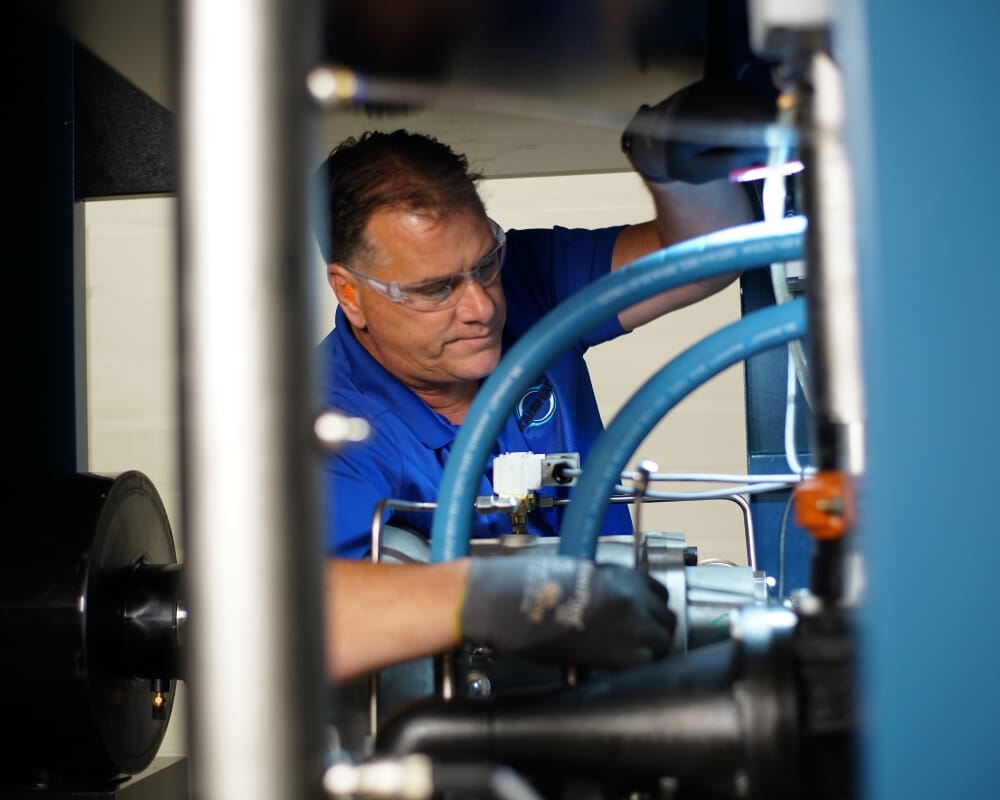
As most facilities managers are painfully aware, maintenance is important for all types of compressors. It’s critical to compressed air efficiency. And not all types of compressors need the same level of maintenance.
A reciprocating compressor requires different care than a screw compressor, which in turn requires different attention than a centrifugal unit. After all, you wouldn’t maintain a car in the same way as you’d maintain a jet.
The same is true of the different types of air compressors. The mechanical designs are fundamentally different, so their maintenance intervals and failure modes reflect that. Understanding these differences is the first step toward building a maintenance strategy that works for your facility.
Let’s start by examining how the various types of compressors differ.
Understanding Your Compressor Types
Before we dive into maintenance specifics, let’s talk about the three main compressor types you’re likely to encounter in an industrial setting. Each has its own maintenance profile.
Reciprocating (Piston) Compressors: The Robust Veteran
Reciprocating compressors represent old, robust technology that’s been around for decades. They use pistons to compress air and are excellent for high-pressure applications and punishing environments.
However, they’re built for lower duty cycles and produce high levels of vibration and noise. You’ll often find them in smaller- to mid-sized companies, where they are used for intermittent operation or as backup systems in larger facilities. They’re straightforward mechanically and relatively affordable, but they demand more attention from your maintenance team.
Rotary Screw Compressors: The Modern Workhorse
Rotary screw compressors are the backbone of modern industrial compressed air systems. They use two interlocking rotors to continuously compress air, delivering smooth, relatively pulsation-free air flow.
Because of the screw design, there are fewer repair parts to worry about. They’re also low-vibration, so you don’t need special foundations or vibration isolation equipment.
Screw compressors can handle most environments and are designed for baseload and variable-load applications where your compressor runs most of the day. They’re the go-to choice for facilities that value reliability and extended service intervals.
Centrifugal Compressors: The High-Performance Specialist
Centrifugal air compressors are superstars in high-volume applications, particularly above 400 HP.
They’re application-specific, designed to fit a particular need and deliver exceptional performance in the right setting. They use rotating impellers to compress air at high speeds and are typically found in large industrial operations where demand is consistent and high.
How They Actually Compress: A Key Difference
Reciprocating compressors are positive displacement compressors that squeeze the air to compress it. Consequently, parts physically touch during operation, resulting in greater wear on the contact surfaces.
And while oil-lubricated rotary screw compressors are also positive-displacement machines, they inject a thin film of oil that acts as a buffer between the rotors.
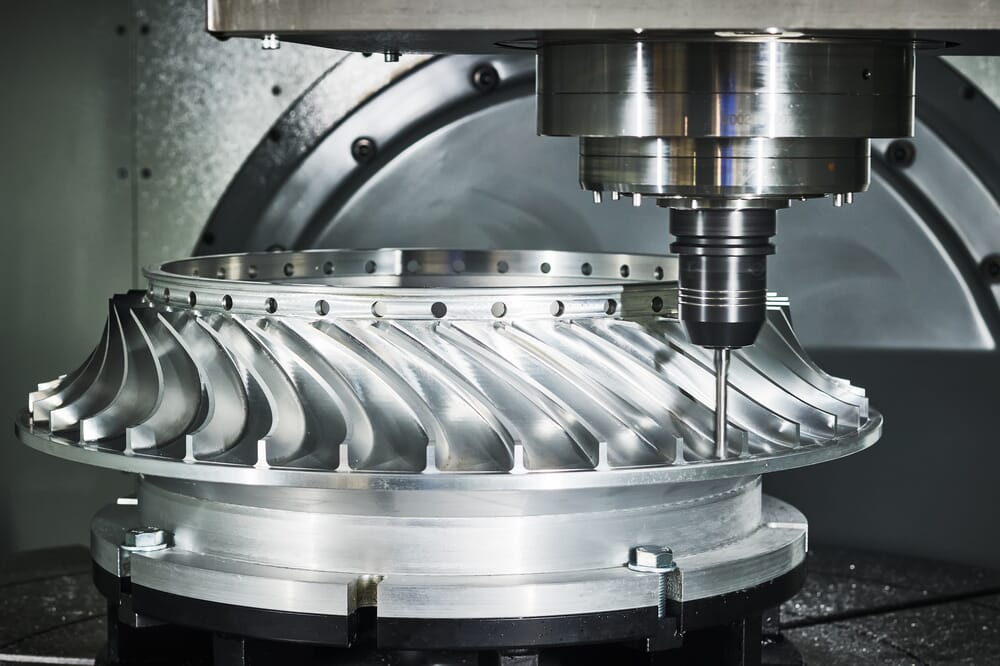
Centrifugal compressors work differently—they’re dynamic compressors that speed up the air and use a diffuser to convert that velocity into pressure. The fact that they have fewer parts that touch each other has important implications for maintenance.
Understanding which type you have is crucial because it fundamentally shapes your maintenance strategy. Now let’s get into the specific maintenance differences that matter to you.
We’ll start with recips.
Reciprocating Compressor Maintenance: More Hands-On Attention Required
Large reciprocating compressors require significantly more regular maintenance items than other compressor types. You’re looking at more frequent attention to packing, oil seals, valves and piston rings. These are crucial wear items, and when they wear out, reciprocating compressors can blow out oil. You want to stay ahead of these problems.
The Maintenance Demands
It is relatively easy to perform routine maintenance on smaller reciprocating compressors. You simply need to change the oil and the air filter and change the oil filter, following the manufacturer’s recommendations.
As with most other compressors, you need to keep a recip’s inlet air filter and oil filter clean. But here’s where reciprocating compressors diverge: because they run hotter, you need to do oil changes more frequently. You’ll also need to perform time-based maintenance at specific service intervals. If you don’t stick to these intervals, your equipment’s reliability goes out the window.
Changing valves in a reciprocating compressor is not a 10- or 15-minute job either. It’s hands-on work that requires skill and attention. Beyond routine maintenance tasks, more advanced repairs, such as rebuilds, should be handled by a qualified repair shop or the original equipment manufacturer.
Running to Failure Is Not an Option
You do not want to run a reciprocating compressor to failure as the cost of emergency repairs and downtime far exceeds the cost of preventive maintenance. You need disciplined, time-based maintenance intervals. No shortcuts, no excuses.
The good news is that when you maintain reciprocating compressors properly, they’re robust and reliable workhorses. The challenge is that they demand consistency and attention.
Now let’s talk about rotary screw compressors, where the maintenance model is different.
Rotary Screw Maintenance: When Oil Is Everything
For an oil-flooded rotary screw compressor, lubrication is the linchpin. Oil is truly the lifeblood of your machine, sealing, cooling and lubricating the rotors in an oil-flooded compressor. Everything revolves around maintaining your oil circulation system. (Note that lubrication is not as much of a factor for oil-free rotary screw compressors, which are designed without lubricant in the air stream.)
The Oil Circulation System
Keeping all the elements of the oil circulation system in top condition is critical. Key issues:
- Keep your air-oil separator clean.
- Make sure the scavenger line is clear.
- Clean your coolers to ensure you’re effectively reducing temperatures.
- Change oil filters periodically.
This work isn’t glamorous, but it’s what keeps your compressor running.
Inlet Air Filtration: Your First Line of Defense
As the first line of defense, your inlet air filter is absolutely critical. When you don’t maintain it, you’re forcing everything else in the system to work harder. A clogged inlet filter raises compression ratio, which increases your discharge temperatures, potentially exceeding the capacity of the cooler and causing the discharge air temperature and oil temperature to increase.
From there, problems cascade through your entire ecosystem and get really expensive, really fast. You’ll have repeated reliability issues until you replace all the components.
The lesson? Don’t skimp on inlet air filter maintenance. It’s your cheapest insurance policy against expensive downstream problems.
Why Screw Maintenance Is Simpler
Maintenance on an oil-lubricated rotary screw is simpler than on larger reciprocating and centrifugal compressors. You do not need to get into the guts of the machine.
The work can be performed by someone with skills similar to those of an automotive mechanic—except for electrical work. This simplicity translates to lower labor costs and less specialized training required for your maintenance team.
The transition to centrifugal compressors tells a different story.
Centrifugal Compressor Maintenance: Specialized Simplicity
Maintenance on centrifugal compressors is simpler in some ways. The normal maintenance items include air and oil filter changes, cooler maintenance and oil demister filter changes. That’s relatively straightforward.
But there’s a catch. Because all parts in a centrifugal compressor are precision-engineered and machined, more advanced maintenance requires a technician with specialized skills. You can’t just hand this work to your general maintenance team. The controls are more advanced, and when something needs attention, you need expertise.
Monitoring and Prevention
Centrifugal compressors are surge-sensitive, so manufacturers use some form of surge-anticipation control that responds when system flow drops too low. Once system demand drops, the blowoff valve opens, which prevents the compressor from reaching the surge point. You do not want the compressor to reach the surge point, then blow off.
Also, keep a close eye on vibration and temperature. These compressors are super reliable in the right application, but they require sophisticated monitoring. We should add that it is best to monitor any historical trends on these data points over weeks or months, as that will help you spot any problems before they become a major issue.
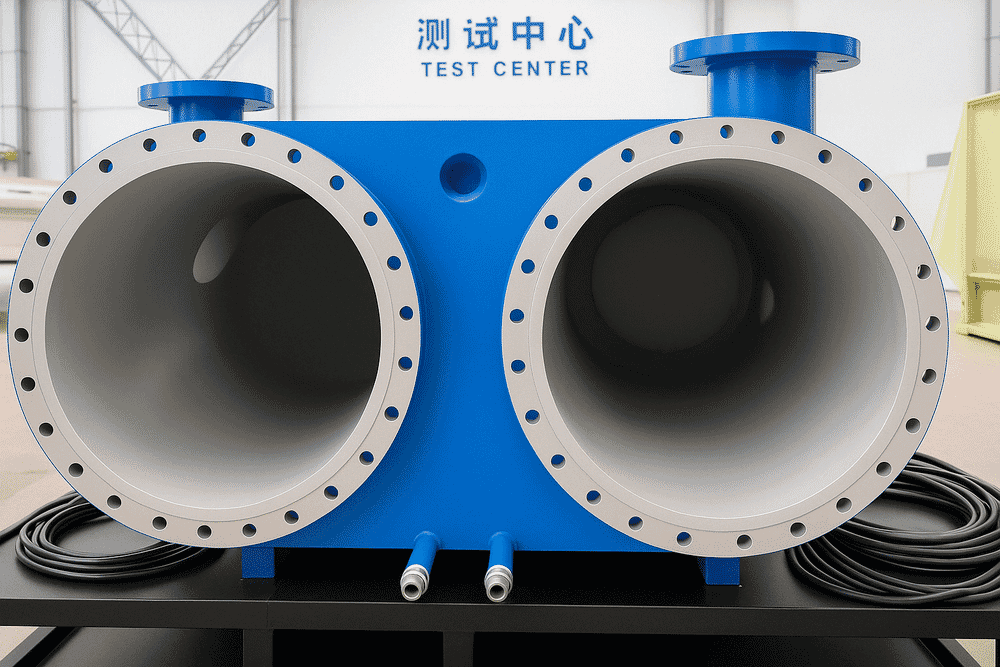
You also need to make sure coolers are clean. Centrifugal systems typically use shell-and-tube heat exchangers. Maintaining them is essential for optimal performance.
When Maintenance Is Needed
When maintenance is needed on a centrifugal compressor, many facilities contract with the original equipment manufacturer or certified service providers rather than attempting repairs in-house.
It’s a different maintenance model from that of a reciprocating or screw compressor. You’re paying for specialized expertise, but you’re getting work done right the first time.
Let’s summarize what this all means for your facility’s maintenance strategy.
Which Compressor Type Requires the Most Maintenance?
Quite simply, rotary screw compressors are a clear winner in maintenance. They offer the optimal balance of reliability, serviceability and cost. Maintenance is straightforward, can be performed by skilled technicians without specialized expertise and doesn’t require extensive downtime.
Reciprocating compressors demand the most hands-on maintenance. Changing valves is not a 10- or 15-minute job. They run hotter, requiring more frequent oil changes. The wear items are more numerous. If you’re considering reciprocating equipment, understand that your maintenance commitment is significant.
Centrifugal compressors occupy the middle ground: relatively low maintenance, but when you do require it, you need a specialist. This approach can be advantageous if you have the expertise available or can contract with qualified service providers. The trade-off is higher labor costs when maintenance is needed, but those needs are less frequent in the right application.
Building Your Maintenance Strategy
Now that you understand the differences between compressor types, here’s how to build a maintenance strategy that works for your facility.
Assess What You Have
Start by taking inventory of your compressor fleet. What types do you have? What are their ages and operating hours? What conditions are they running in? This assessment forms the foundation of your maintenance strategy.
Create Type-Specific Schedules
Create maintenance schedules specific to each compressor type in your facility. Don’t use a generic schedule—that’s a recipe for either over-maintaining some equipment or under-maintaining others.
Account for your specific equipment, operating conditions and duty cycles. Document everything: every service, every oil change, every repair. This history is invaluable for predicting future maintenance needs and optimizing your schedules.
Monitor and Adapt
Implement condition monitoring appropriate to your equipment. At minimum, monitor oil condition, operating temperatures and filter pressure drops. Use this data to adjust your maintenance schedules.
If your oil analysis shows rapid degradation, you should change the oil more frequently. If filters clog quickly, you need better upstream filtration. Let your data guide your decisions.
Partner With Your Supplier
Whether you’re running Kaishan equipment or another brand, build a relationship with your supplier. They understand your equipment and can help you determine the maintenance intervals specific to your operating conditions.
The Bottom Line
Compressed air system maintenance isn’t one-size-fits-all. Rotary screw, reciprocating and centrifugal compressors have different maintenance requirements and failure patterns, each with distinct economic implications. Understanding these differences is the first step toward building a maintenance program that works.
Implement the preventive maintenance measures appropriate to your equipment type:
- Monitor your oil and your air quality religiously.
- Stick to schedules specific to each piece of equipment.
- Partner with suppliers who understand your needs.
Do these things, and your compressors will run reliably, your maintenance costs will be predictable and your facility will maintain consistent compressed air availability.
Key Takeaways
- Maintenance is foundational to compressed air performance. Get maintenance right, and you unlock cost-efficiency, reliability, energy efficiency, longevity and safety. Get it wrong, and you face emergency repairs and unexpected downtime.
- Compressor types differ fundamentally in design and maintenance requirements. Reciprocating compressors demand more hands-on attention. Rotary screw compressors offer the best balance of simplicity and reliability. Centrifugal compressors require specialized expertise for maintenance.
- Rotary screw maintenance centers on managing the oil circulation system. Keep your air-oil separator, scavenger lines, coolers and filters clean. Maintain your inlet air filtration religiously. Clogged filters cascade into expensive problems throughout the system.
- Reciprocating compressor maintenance is time-intensive and non-negotiable. Don’t skip scheduled intervals. Valve changes and frequent oil changes are necessary because these units run hotter and have more wear items. Running to failure is not an option.
- Centrifugal maintenance is relatively simple but requires specialists. Monitor bearings, vibration, temperature and surge conditions. When maintenance is needed, work with qualified specialists who understand precision-engineered equipment.
- Oil quality and air quality directly impact maintenance costs for all types. Proper filtration and regular oil analysis prevent costly failures. A clogged inlet filter forces your entire system to work harder and creates expensive downstream problems.
- Partnering with your equipment supplier creates a maintenance advantage. Suppliers provide equipment-specific guidance that helps you optimize maintenance schedules for your operating conditions and avoid costly mistakes.
Get Expert Guidance for Your Facility
Whether you’re optimizing a rotary screw installation, managing a reciprocating compressor fleet or evaluating a centrifugal system, we’re here to help you develop a maintenance strategy that keeps your operation running smoothly and your costs under control.
Kaishan USA works with a nationwide network of independent distributors, who can provide on-site help and consultation as needed.
We partner with these independent, local businesses because they offer expert guidance, faster response times and personalized support tailored to your needs. They ensure you get the right system, reliable service and quick access to parts when you need them most.
With factory-trained technicians and a deep understanding of industrial applications, they help maximize efficiency and minimize downtime. So, when you buy through a Kaishan distributor, you’re getting more than a product—you’re getting a local partner who cares about your business and wants to see it succeed.
Don’t let preventable failures disrupt your facility. Reach out to compressed air experts who understand the different compressor types and how to maintain them for maximum reliability and efficiency.
Find a compressed air professional near you or contact us directly.
Further Reading
“Air Compressor Maintenance: Ultimate Guide and Checklist.” A comprehensive review of industrial air compressor maintenance and help in improving uptime, energy efficiency, equipment life and safety.
Ten Need-To-Know Rotary Screw Air Compressor Maintenance Tips. Everything you need to know about rotary screw compressor maintenance.
Frequently Asked Questions
The key is to follow your manufacturer's recommendations and adjust based on your operating conditions. If you're running in a hot, dusty environment or at high duty cycles, you may need more frequent changes. This is why oil analysis is so valuable—it tells you the actual condition of your oil, not just the hours elapsed.
A scheduled oil change might cost $500. An emergency repair due to oil degradation-induced bearing failure could cost $5,000 or more, plus production downtime. For most facilities, investing in preventive maintenance reduces total maintenance costs by 25-30% while improving equipment reliability and uptime. It's an investment that pays for itself quickly.
The practical approach is to document your equipment types, create maintenance schedules for each and train your team on the differences. If you have a mixed fleet, you might create a master maintenance calendar that clearly identifies which tasks apply to each piece of equipment. This prevents mistakes and ensures optimal maintenance for each unit.
Together, these practices prevent the most common compressor failures. They're relatively inexpensive to implement but have an outsized impact on equipment life and reliability. If you only invest in one maintenance practice, make it proper filtration and oil analysis.
Track your maintenance and repair costs. If you're spending more than 50% of the replacement cost annually in repairs, replacement probably makes economic sense. Also consider efficiency—older reciprocating compressors are typically less efficient than modern screw compressors. If energy costs are high in your operation, upgrading might reduce operating costs enough to offset the capital investment.
The most reliable indicator is oil analysis. Regular oil samples reveal wear metals, oxidation, water contamination and viscosity changes weeks or months before they cause catastrophic failure. Temperature monitoring and vibration analysis (especially valuable for centrifugal compressors) provide additional early warning signs. These monitoring techniques prevent emergency repairs and keep your equipment running reliably.
Ask potential suppliers for typical maintenance schedules and costs. Find out how they support their equipment and whether they offer condition monitoring or predictive maintenance services. Read reviews from other users about reliability and support. Build relationships with suppliers who understand your industry and can provide guidance on maintenance optimization. The right compressor partner becomes a valuable resource for keeping your operation running smoothly.
Listen to the Podcast Version



Piston Grit versus the Oil Flooded Shield
So I, I saw this guy last week, he was trying to use a generic, one size fits all checklist on a reciprocating piston compressor, a rotary screw, and a high speed centrifugal unit. I, I literally told him, look, this is like trying to service an old muscle car and a commercial passenger jet with the exact same socket set. It is, it, it is just madness.Oh, absolutely. I mean, they are completely different beasts. Welcome to the Big Dog Podcast, everyone. I am Lisa Saunders, and with me is Jason Reed. And, you know, Jason, that, that car and jet analogy is spot on because today we are asking the real question: when you look at the actual physics of these machines, which compressor design actually wins the long term maintenance battle? Like, who makes your life easiest?
Well, let us start with the old robust veteran, the reciprocating piston compressor. These things are basically positive displacement tanks. They squeeze the air by physically driving a piston up and down inside a cylinder. But because of that design, you have parts physically touching. Piston rings, valves, packing, oil seals, they are all rubbing together, which means you have massive amounts of friction, high vibration, and let us be honest, they run incredibly hot.
Right, and because they run so hot, they demand constant, hands on attention. We are talking about changing the oil way more frequently, like, every 500 to 1,000 hours of operation. And changing those valves? That is not some ten or fifteen minute job. It takes real mechanical skill. If you try to run a recip to failure, you are looking at a catastrophic blowout, oil getting injected right into your air lines, and massive downtime.
Exactly. Run to failure is just not an option with a piston unit. Now, compare that to a modern rotary screw compressor, the workhorse. Instead of a piston slapping up and down, you have two interlocking helical rotors spinning continuously. And here is the magic: in an oil flooded screw, those rotors never actually touch each other. They are buffered by a micro thin, pressurized film of oil.
Wait, let me make sure I have this straight. So, the oil is not just there to keep things slick. It is actually acting as a physical seal to trap the air, a coolant to pull the heat away, and a shock absorber all at once? So you are completely eliminating that metal on metal friction?
You nailed it. The oil is the absolute lifeblood of the rotary screw. Because that oil film prevents wear, the rotors themselves can last for years and years if you maintain the oil system. But, and this is a huge but, because the oil does so much heavy lifting, you have to keep that entire oil circulation system pristine. The air oil separator, the scavenger line, the coolers, they all have to be serviced. If you neglect them, the whole system breaks down.
And the first line of defense there is the inlet air filter. People treat it like a cheap afterthought, but if that filter gets clogged, it restricts the incoming air. That forces the compressor to increase its compression ratio, which spikes the discharge temperature. Suddenly, your oil is running too hot, it degrades, the air oil separator gets ruined, and you get a massive cascade failure across the entire machine. It gets really expensive, really fast.
It does. But the beauty of the rotary screw is that, unlike a piston unit or a centrifugal, standard maintenance is simple. You do not have to open the internal casing or get into the guts of the machine. If you can service a car, you can do the routine maintenance on a rotary screw. It keeps labor costs low and does not require highly specialized technicians.
Centrifugal Velocity and the Ultimate Maintenance Champion
Now, let us step up to the high performance specialist: the centrifugal compressor. This is not positive displacement anymore. It is dynamic compression. These are big units, usually above 400 horsepower. They use precision engineered impellers spinning at blistering speeds to accelerate the air molecules, and then a static diffuser converts that velocity into pressure.Okay, so, if we look at the physics, there are almost no touching parts in the compression chamber of a centrifugal. So, on paper, it sounds like the absolute ultimate champion of low maintenance, right? Just change the air and oil filters, clean the coolers, and you are done.
Ah, but there is a major catch. It is a classic complexity paradox. Yes, routine maintenance is simple, but because those impellers are five axis machined to incredible tolerances and spin at extreme speeds, they are incredibly sensitive. If you have a surge condition, where the system flow drops too low, the compressor can violently surge, which can destroy the impellers in seconds. They rely on complex surge anticipation controls and sophisticated vibration monitoring to stay safe.
So, if something actually goes wrong, or when you need advanced service, your general maintenance team cannot just roll up their sleeves and fix it. You have to fly in specialized, factory trained technicians. So the labor cost and the specialized expertise required are on a completely different level.
Exactly. You are paying for high end expertise.
So, let us line them up. Who actually wins the maintenance crown? If you are a plant manager looking at reliability, ease of service, and predictable costs, who takes it?
For the vast majority of facilities, the rotary screw is the clear, undisputed winner. It gives you the perfect balance. You do not have the high wear, high touch manual labor of a reciprocating piston unit, and you do not need the highly specialized, ultra expensive engineering support of a centrifugal. It is reliable, the service intervals are long, and your local mechanic can keep it running beautifully.
That makes total sense. It really comes down to aligning your maintenance strategy with the physical DNA of the machine. You cannot treat compressed air as a black box. If you know what is happening inside, you can prevent the failures before they start. Well, that is our take on it. Thanks for listening to the Big Dog Podcast.
Keep those filters clean, everyone. Talk to you next time.