
The advantages of variable-frequency or variable-speed drives are well documented. At part load, where most plants operate for most of a shift, a VSD compressor saves money by using less energy than a fixed-speed unit cycling.
Pressure control is tighter, which reduces system stress and often lowers total air demand. Your compressor can do soft starts, avoiding the electrical inrush and mechanical shock of a normal startup. Utilities and energy agencies even offer rebates for VSD installations in many service territories.
Unfortunately, you can’t use VSDs everywhere. Plants with high ambient temperatures, airborne dust or heavy moisture have historically been told to use a fixed-speed compressor instead. In most of those cases, the limitation was not the drive’s control logic. It was how the drive was cooled.
What VSDs Already Do Well
In the past, we have provided a full explanation of how the savings are calculated, listed the benefits VSDs provide and discussed matching a VSD to a load profile.
But what happens when the plant around a VSD is hot, dirty or humid?
Traditional VSD Failure Modes
A conventional VSD removes heat with forced air. Cooling fans at the base of the drive pull ambient air across the heat sinks and electronics and exhaust it at the top. That design works well in a clean, climate-controlled compressor room, but there are three common failure modes. The first is high temperatures.
High Temperatures
Capacitors and the control electronics on a VSD have rated operating temperatures, and sustained operation above those limits shortens service life. The good news is that you may have warnings before your compressor fails outright, usually in the form of nuisance trips during the hottest part of the day or the hottest part of the year. Unfortunately, you’ll lose your air supply until the drive resets.
Dirt and Dust
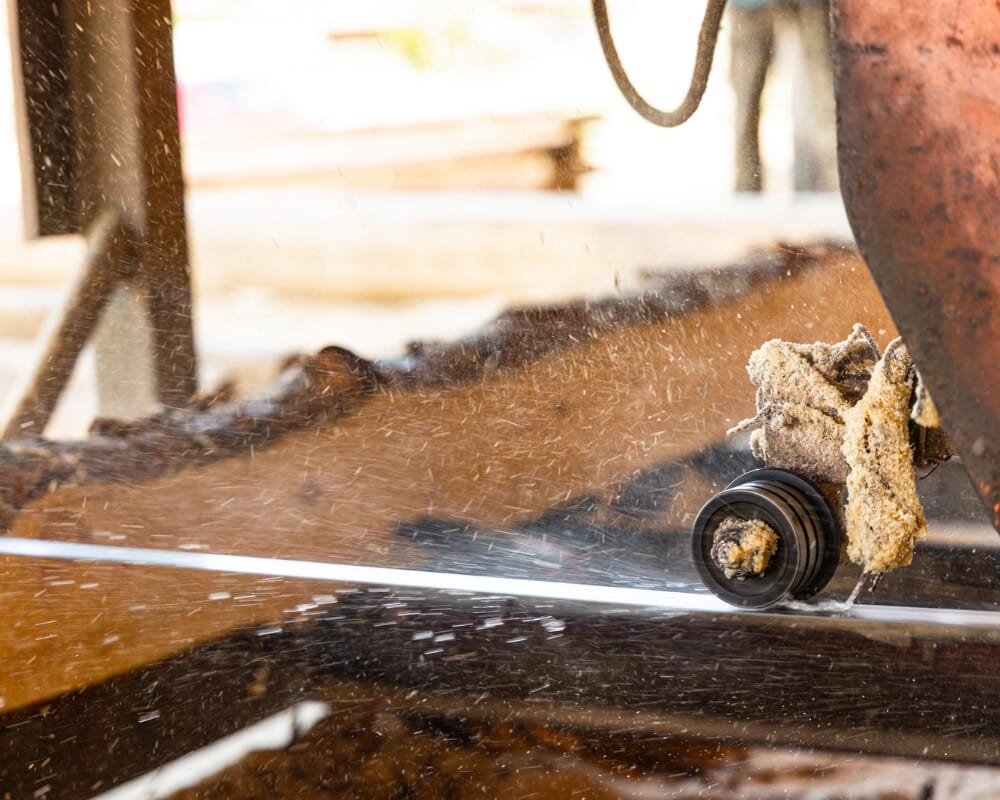
Airborne contamination is the more common problem. Concrete plants pull cement particles into the air. Lumberyards generate sawdust and wood chips. Foundries, metalworking shops and welding operations add soot and conductive metal particles. That material coats the heat sinks and the electronics inside the drive, reducing airflow and insulating the components the fans are supposed to cool. The result is over-temperature operation and, in severe cases, short circuits. Timelines vary; a drive can fail in days or weeks under the worst conditions or last months to years in a moderately dirty one.
Humidity and Condensation
High humidity causes moisture to accumulate on the drive’s internal surfaces, leading to corrosion and current leakage. It can happen when a warm, humid plant cools overnight, or a washdown cycle introduces water vapor.
The cumulative effect of these VSD failure modes is that they have gotten a bad rap. When a VSD fails in a demanding environment, your team concludes that VSD technology is unsuitable for the conditions in your plant. That conclusion is more about a VSD’s cooling method than about the capability of VSD control itself.
A New Approach: Liquid-Cooled VSD Compressors
Kaishan’s approach on the KPE portable electric air compressor replaces forced-air cooling with a closed-loop liquid circuit that cools the drive and the main motor. Coolant leaves through the cooler and first travels to the VSD, then it goes to the motor before returning to the tank.
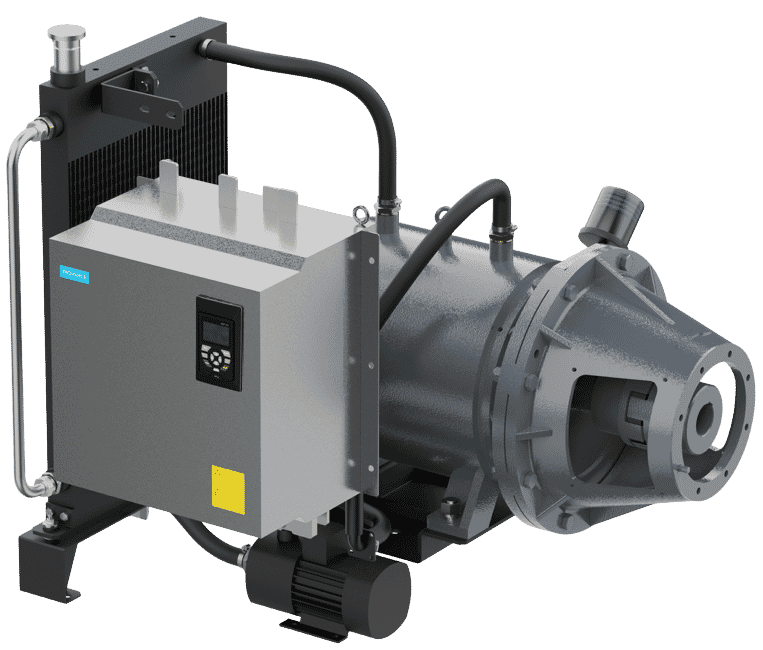
We chose to use glycol rather than water because it does not freeze in cold conditions and tolerates wide temperature swings. As a result, the cooling circuit does not need to be drained, heated or protected from a hard freeze. The KPE is engineered for ambient temperatures up to 122ºF and ships in a NEMA 4 enclosure with an integrated cold-weather package.
Because the electronics no longer depend on ambient air for cooling, the airborne contaminants that historically shorten drive life never reach the cooling path.
Cleaner ambient air still benefits the compressor’s inlet filtration, however, and the KPE addresses that separately with an inlet filtration system that uses integrated pre-separation and dual-core technology built for dirty operating environments.
So, while a traditional VSD devotes roughly the lower third of its enclosure to fans and heat sinks, a liquid-cooled VSD compressor does not. As a result, the assembly is smaller, and the control enclosure is simpler to seal.
Air-Cooled vs. Liquid-Cooled VFDs
| Traditional air-cooled VSD | Closed-loop, liquid-cooled VSD | |
|---|---|---|
| Cooling medium | Ambient air drawn through the enclosure | Glycol circulated in a sealed circuit |
| Contaminant exposure | Heat sinks and electronics are in the airstream | Electronics are isolated from the cooling path |
| Primary failure modes | Over-temperature, nuisance trips, short circuits, corrosion | Coolant level, otherwise, the same electronics on a stable thermal path |
| Cold weather | Requires heated enclosure or ambient limits | Glycol will not freeze |
| Enclosure footprint | Larger, driven by fan and heat sink volume | Smaller cooling section |
In short, if your VSD is operating in a temperature-controlled compressor room, you don’t need glycol cooling. But if you’re in a hot, dusty or humid plant where a fixed-speed compressor was previously the only reliable option, a glycol-cooled unit may be a good alternative.
Additional Advantages of a Liquid-Cooled VSD Compressor
The controller on the KPE gives operators direct access to the settings that matter. After you enter the password, you can change the discharge pressure from the touchscreen, and the VSD will ramp motor speed up or down to match.
The drive handles frequency changes internally, so the operator adjusts a pressure setpoint rather than altering a drive parameter. When demand falls below what the drive can serve at minimum speed, the compressor moves to unload mode before shutting down, the same sequence a conventional compressor follows.
VSDs and Rebates
Most utilities and energy agencies offer compressed air incentives that include VSD compressors, and the incentive is often tied to demonstrated savings. A compressed air consultant can help you determine whether you qualify for any rebates and conduct any air audits or assessments that are required.
The Only Tradeoff: One More Fluid to Check
The liquid-cooled design adds one maintenance item—you have to maintain a glycol reservoir in addition to the oil system, and the level needs to be checked as part of routine rounds.
Nothing else changes. The circuit is entirely internal to the compressor, so no glycol is pumped into or out of the unit during operation. If the level is low, a 50/50 mix of glycol and water brings it back to the correct point.
New VSD Help for Demanding Environments
Our glycol-cooled VSD is available on the KPE portable electric air compressor, making it an energy-saving option for demanding environments. Your local compressed air professional can help you run the numbers and determine whether a KPE with a glycol-cooled VSD makes sense for your application.
Key Takeaways
- Traditional VSDs offer many benefits but perform poorly in some environments.
- VSDs have three common failure modes: high temperature, airborne contamination and humidity.
- Kaishan’s KPE portable electric air compressor uses closed-loop glycol cooling to address the shortcomings of traditional VSD compressors.
- As with other VSDs, the glycol-cooled VSD on a KPE portable electric compressor qualifies for many rebate programs.
The Help You Need for Demanding Environments
We work with a nationwide network of independent distributors, who can help you determine the best way to handle a demanding application.
We partner with independent, local distributors because they can provide the on-site help and consultation you need to optimize your compressed air system. It’s the best way to make sure you get the right equipment, reliable service and quick access to parts when you need them most.
They have factory-trained technicians and a deep understanding of industrial applications, helping you maximize efficiency and minimize downtime.
When you buy through Kaishan, you’re getting more than a product—you’re getting a local partner who cares about your business and wants to see it succeed. Contact us today.
Further Reading
“The Benefits of Installing Variable-Speed Drive Compressors.” Explains how VSDs can help you save money, improve energy efficiency and get better performance from your compressor with less moisture and contaminants.
“How Variable Speed Drive (VSD) Rotary Screw Air Compressors Save You Money.” A full explanation of how the savings are calculated.
“When to Use a VSD on a Rotary Screw Air Compressor.” Guidance on matching a VSD to a load profile.
Frequently Asked Questions
Listen to the Podcast Version



Why VSDs Struggle in Harsh Plants
Welcome to The Big Dog Podcast. I am Jason Reed, sitting here with Lisa Saunders, and today we are tackling a massive financial paradox happening right on plant floors everywhere.Welcome to the Big Dog Podcast. I'm Jason Reed.
And I'm Lisa Saunders. Today's topic is VSDs and harsh environments. Jason, think about a lumber mill. Sawdust hanging in the air all shift long. Now picture a variable speed drive sitting in the middle of that.
It's not a pretty picture. A drive like that can fail in weeks, sometimes in days. And that's why plants with heavy heat, dust or moisture have been told for years to buy a fixed speed compressor and move on. Lumber mills, concrete plants, foundries, weld shops.
Which is a shame, because the case for a VSD is strong. Most plants run at part load for most of a shift, and a VSD uses less energy than a fixed speed unit cycling. You get tighter pressure control, which eases stress on the system and often lowers total air demand. Soft starts, so no electrical inrush or mechanical shock at startup. And many utilities offer rebates.
So here's the question. If the technology is that good, why does it die in a dirty plant?
Because the problem was never the control logic. It was how the drive got cooled. A conventional VSD uses forced air. Fans at the base pull ambient air across the heat sinks and electronics and push it out the top.
Which is fine in a clean, climate controlled compressor room. Outside of that, you get three failure modes. Start with heat. Capacitors and control electronics have rated operating temperatures, and running above them shortens their life. The warning sign is usually nuisance trips during the hottest part of the day or the year.
And every trip means you lose your air until the drive resets. That's a production problem, not just a maintenance annoyance.
Right. Second is dirt and dust, and that's the more common one. Cement particles, sawdust, wood chips, soot, conductive metal particles from foundries and welding. All of it gets pulled in by those fans.
And it settles on the heat sinks and the electronics. That does two things at once. It chokes off airflow, and it acts like a blanket over the very parts the fans are supposed to cool. So you get over temperature operation, and in severe cases short circuits, especially when the dust is conductive.
How fast depends on the plant. Worst conditions, days or weeks. A moderately dirty plant, maybe months to years.
Third is humidity. Moisture collects on internal surfaces, and you get corrosion and current leakage. It can happen when a warm, humid plant cools down overnight, or when a washdown cycle puts water vapor in the air.
And the result is that VSDs got a bad reputation. A drive fails, the team decides VSD technology doesn't belong in their plant. But the real culprit was the cooling method.
Taking Air Out of the Cooling Equation
So the fix is to stop depending on the plant's air. A closed loop liquid circuit does that. Coolant leaves the cooler and goes first to the VSD, then to the main motor, then back to the reservoir tank. If you caught Episode 84, where we talked about portable electric compressors with liquid cooled drives, this is the deeper look at why that design matters.And why glycol and not plain water?
Glycol doesn't freeze in cold conditions and tolerates wide temperature swings. So the circuit doesn't need to be drained, heated or protected from a hard freeze. With oversized coolers, a unit like that can be engineered for ambient temperatures up to 122 degrees Fahrenheit.
Now the dust issue. If the electronics don't depend on ambient air for cooling, the contaminants never reach the cooling path. The drive can sit in a sealed NEMA 4 enclosure. And there's a footprint benefit. A traditional drive gives roughly the lower third of its enclosure to fans and heat sinks. Take those out, and the assembly gets smaller and the enclosure is simpler to seal.
One caution, though. Protecting the drive doesn't protect the compressor's intake. Dirty air still hits the inlet filtration, so you want integrated pre separation and dual core filtration built for that kind of environment.
Good point. And this isn't for everybody. If your VSD lives in a temperature controlled compressor room, you don't need glycol cooling. It's for the hot, dusty or humid plant where fixed speed was the only reliable choice before. Same electronics, just on a stable thermal path.
Operation doesn't get harder, either. On the touchscreen, after you enter the password, you change the discharge pressure setpoint. The drive handles the frequency changes internally, so nobody is fiddling with drive parameters. And when demand falls below what the drive can serve at minimum speed, it goes to unload mode before shutting down, same as a conventional compressor.
What's the catch? There's always a catch.
One more fluid to check. The glycol reservoir level goes on your routine rounds next to the oil. If it's low, a 50/50 mix of glycol and water brings it back up. The loop is entirely internal, so nothing gets pumped in or out during operation.
That's a small price. And since rebates often depend on demonstrated savings, correct sizing matters. An air study to establish the load profile and horsepower protects both the savings estimate and the rebate application.
So the takeaway is that when a drive fails in a tough plant, look at the cooling before you blame the technology. Even with rotary screw air compressors, how you move the heat can matter more than the control logic.
Well said. Thanks for tuning in to the Big Dog Podcast, everybody.
Yes, thank you for listening. We'll catch you next time.